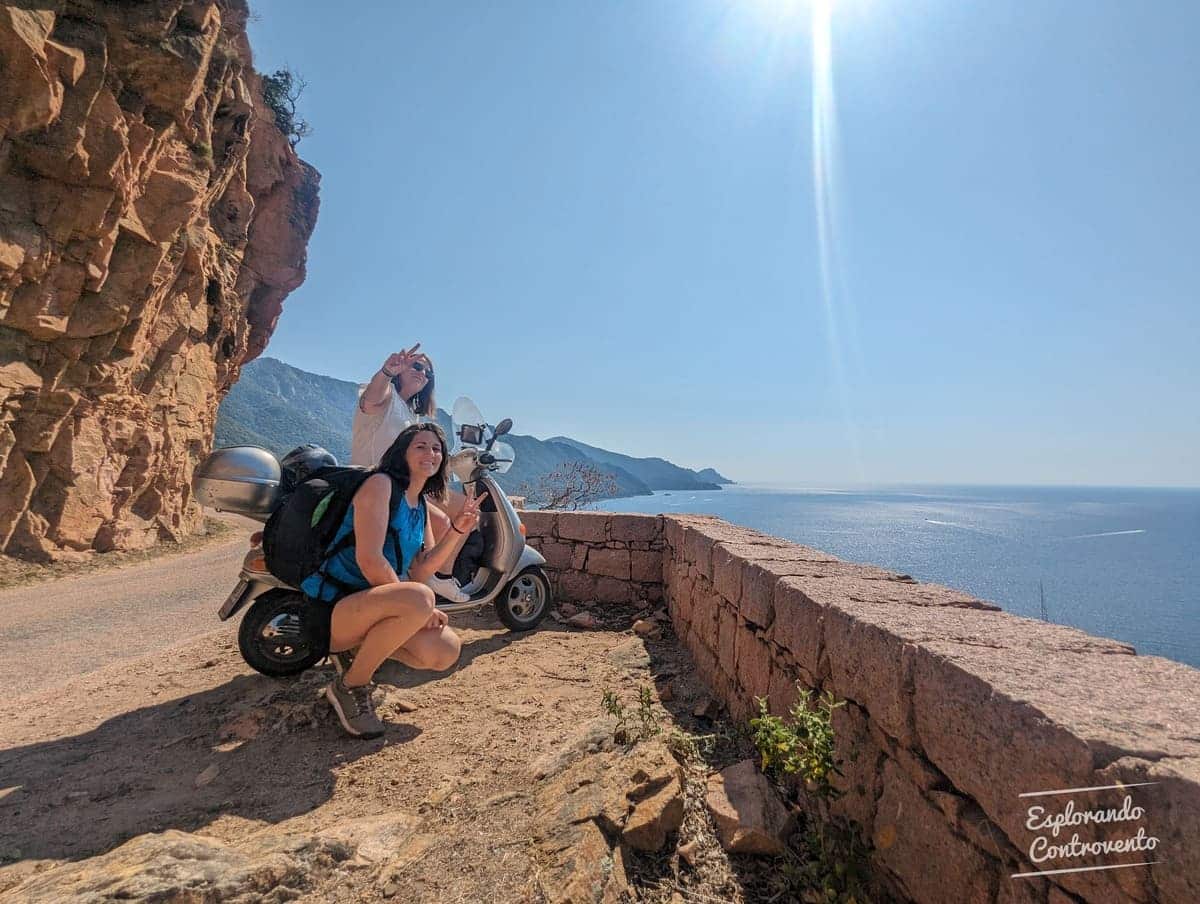
Is it possible to tour the Corsica coast on a Vespa in 10 days? Is it worthwhile? The answer is absolutely YES. We did it with our 2000 Vespa ET 4, strictly counterclockwise and Upwind as we like it. An adventure full of emotions that we absolutely recommend to all lovers of exploration on two wheels.
Why taking a Corsica tour by Vespa or motorcycle is a once-in-a-lifetime experience?
- Because exploring Corsica by motorcycle, Vespa or scooter grants the possibility to explore it at your own pace, decide when to stop, access remote and less frequented places, giving an authentic experience in contact with nature and a unique sense of freedom.
- Because this French island in the Mediterranean, nicknamed the “island of beauty”, offers a perfect combination of scenic roads with breathtaking views, from the deep blue of the sea and the red granite of the badlands.
Beaches of wild charm, picturesque villages, good food and much more.
All that’s left to do is to start preparations and fire up your engine!
TABLE OF CONTENT
PREPARING FOR THE CORSICA TOUR BY VESPA : TRAVEL TIPS
How to get to Corsica by motorcycle or vespa
The most convenient way to reach Corsica by Vespa or motorcycle from Italy is by ferry, with departures from Tuscany, Liguria and Sardinia. The main ports of embarkation are: Savona, Genoa and Livorno with destination Bastia or Ile Rousse. In high season, in summer, connections are also added:
- Piombino -> Bastia
- Portoferraio (Elba Island) -> Bastia
- Sardinia (Porto Torres and Golfo Aranci) ->Ajaccio and Porto Vecchio
- Sardinia (Santa Teresa di Gallura) -> Bonifacio
Depending on the route chosen, the crossing can take about 4 to 6.5 hours during the day and about 8 to 10 hours at night. The surcharge for boarding a wasp or motorcycle can range from only 10 euros in low season to over 100 euros in high season. We suggest you compare ferry rates, schedules and routes at www.traghettilines.it and book your ticket directly online.
TRAVEL TIPS
Motorcycles and scooters are the first to be boarded on the ferry, best to arrive at least 1 hour before the scheduled embarkation time. Motorcycles are usually secured by a rope. Remember to remove the anti-theft device for those who have it!
Always make a note of the location of your vehicle (deck number, sector, bow, stern for example), so you don’t have to wander in the half-light from floor to floor and in the middle of the line of cars when disembarking.
What to bring for a Corsica tour by Vespa
Documents required to travel to Corsica
Before departure, you need to bring with you the documents necessary to circulate in Corsica:
- Driving license (in French “permis de conduire”)
- Motorcycle registration card (registration book) for the motorcycle
- Insurance certificate
- Identification document, ID card is fine since Corsica is part of France and the European Union
- European health card for medical coverage
Mandatory equipment for traveling by motorcycle in Corsica
- Helmet approved according to European ECE regulations.
- Reflective vest or jacket
- Gloves: type-approved to EU standards for driver and passenger, a type-approved glove must have the following alphanumeric abbreviation in the label: EN13594
- Breathalyzer: approved kit, there are disposable types on the market
Recommended equipment
- Din 13167 approved first aid kit
- Spare bulbs
- Raincoat for rain
- Tire repair kit
- Cell phone holder for scooter (needed to easily consult the navigator)
- Helmet intercom
- Waterproof and space-saving travel backpack
Leave well-equipped but as light as possible. space is not much on a Vespa! But that’s the beauty of adventure on two wheels.
CORSICA TOUR BY VESPA: ITINERARY WITH MAP
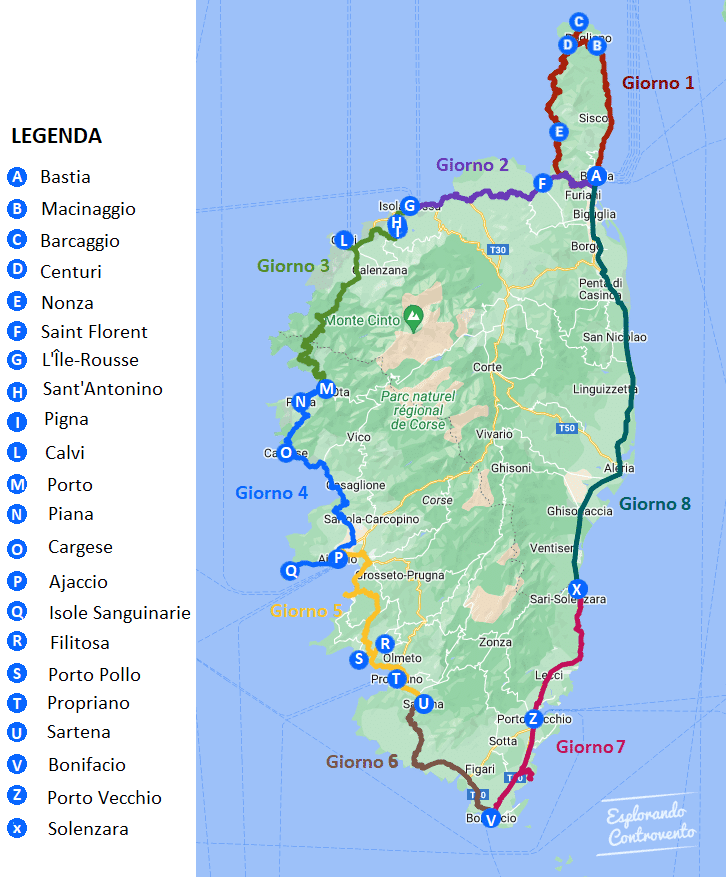
Below is our 10-day itinerary: a coast-to-coast Vespa tour of Corsica, discovering the “mountain in the middle of the sea,” with Bastia as the starting and return point. We propose a counterclockwise tour of the French island, driving on the outer side of the road with a sheer view of the sea. This will allow you to fully enjoy the beauty of the views and especially to nimbly stop at the many viewpoints or take a quick swim at one of the many beaches you will encounter along the way, as we did!
Strap on your helmet and let’s get going!
Day 1: Departure from Livorno – Arrival in Bastia
Departure from the port of Livorno at 1 pm and arrival in Bastia at 6:30 pm. We begin our Corsica tour by Vespa with a brief visit to Bastia, often mistakenly considered only a landing and departure destination. In reality, this vibrant town with understated charm is ideal for spending a relaxing evening after the ferry ride. As a first step, we suggest an aperitif at one of the many elegant cafes adjacent to Place Saint-Nicolas, an airy square and terrace overlooking the Tyrrhenian Sea as well as a meeting point for Bastia residents. If not too tired, why not drop by the store dedicated to Cap Corse Mattei to sample the good and famous local Vermouth.
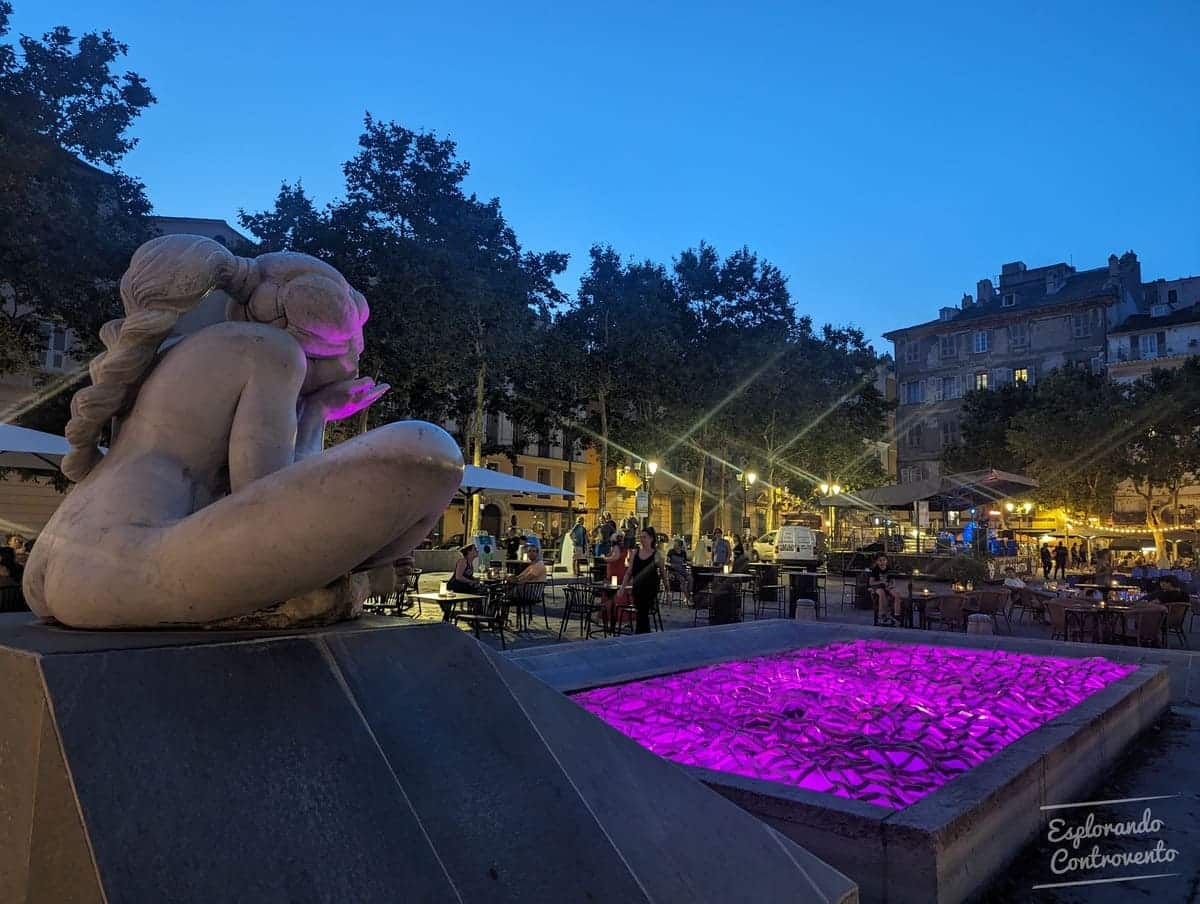
To end the first Corsican evening properly, you cannot miss a sunset stroll along Vieux Port, picturesque and romantic with its colorful fishing boats, and a good dinner at a brasserie in the beautiful Place du marché, a square named after the market that takes place every Saturday and Sunday morning and from where you will also find the entrance to the majestic Saint Jean-Baptiste Church. On the last day of the tour, before the departure, there will be time to more leisurely enjoy the atmosphere of the city.
WHERE TO SLEEP IN BASTIA
We stayed for 2 nights at the Hotel Napoleon (2 stars). Located in the heart of Bastia a few steps from Place Saint Nicolas, clean and comfortable room.
Day 2: Tour of Cape Corse, the “Finger” of Corsica
Approx. 4 h / 140 km
STOPS: ERBALUNGA, MISINCU BEACH, MACINAGGIO, BARCAGGIO BEACH, BARCAGGIO, CENTURI, NONZA, BASTIA
In the morning we start the engines after a hearty breakfast and refuel with water and provisions for the trip at one of the various supermarkets in town. Mission: tour of Cap Corse, returning to Bastia in the evening.
The road to be taken is D80, the “Rue du Cap“, heading north. A road that skirts the sea and surprises by how pleasant it is: wide with excellent asphalt and gentle curves that lull the whole way. This first part of the route passes through various marinas and small seaside villages: from Erbalunga to Macinaggio, the liveliest and most animated center of the Cap Corse peninsula, the landscape flows between green valleys gently sloping down to the sea, Genoese watchtowersand beaches where it is impossible not to stop for a swim to cool off. Super recommended is Misincu beach, accessible along the road, but little mentioned in guidebooks, it is perfect for a diving stop with its crystal clear water and white sand.
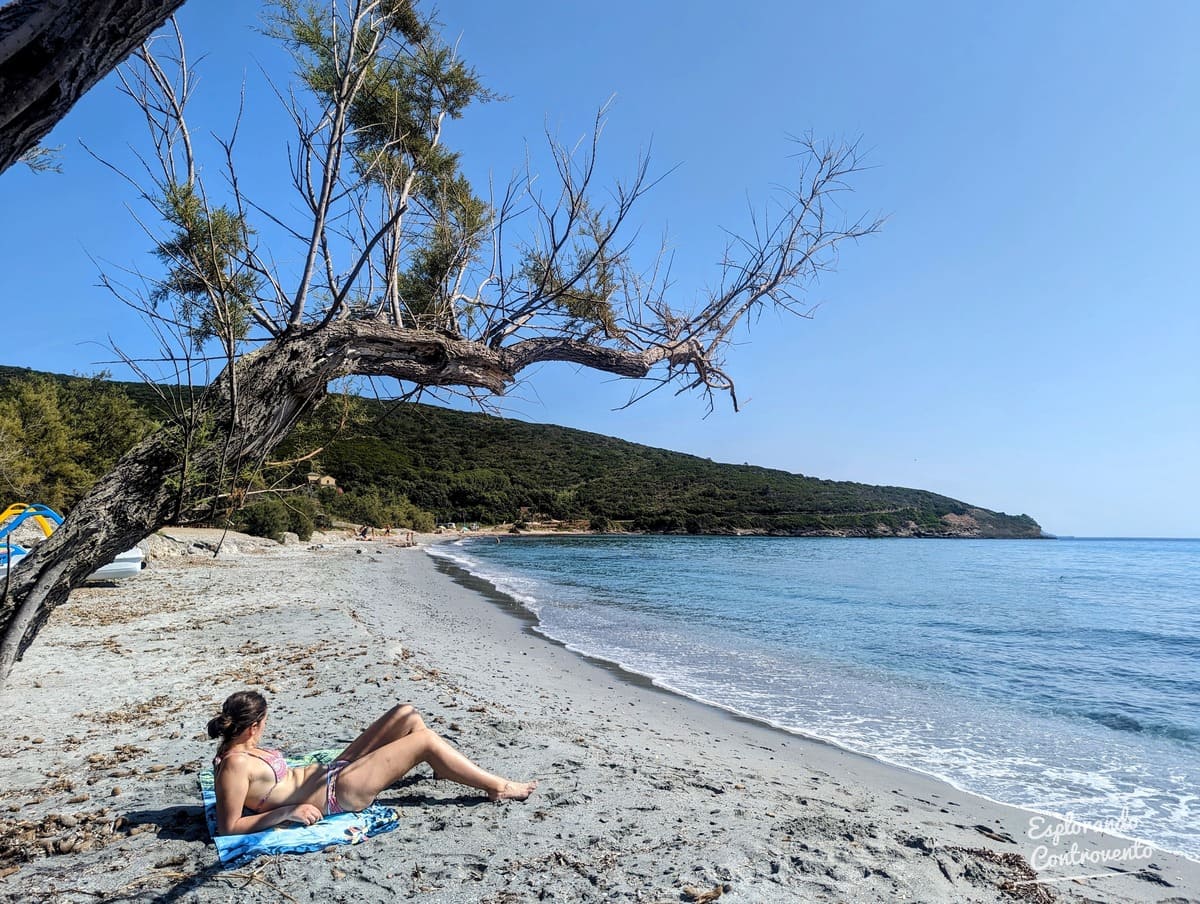
Past Macinaggio, the goal is to reach the extreme tip of Corsica’s finger, Barcaggio. Still driving on the D80, you’ll find the Point de vue Rogliano, a panoramic terrace offering spectacular views of the entire Cap Corse. It is worth a quick photo-stop.
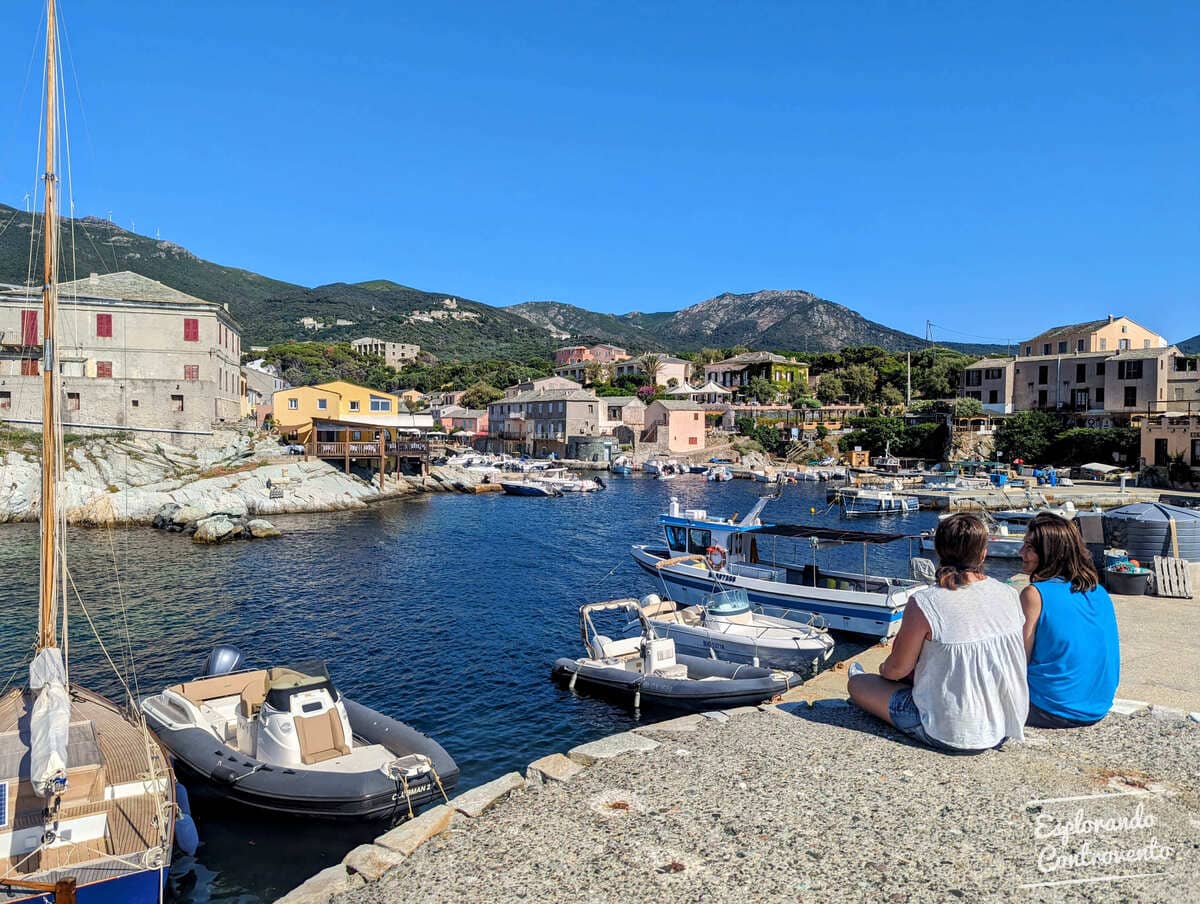
From a narrow but charming D253 we arrive at Barcaggio, a small maritime village with a relaxed atmosphere where you can enjoy lunch or a cool drink in front of the small harbor overlooking Giraglia Island.
Before heading to the other coastline it really pays to have another swim at Barcaggio beach, apparently also enjoyed by the cows in the area.
Going down D80, the road gives us another good view of Cape Corse from Mattei Mill. It is worth making a small detour by taking the narrow D35, to reach the port of Centuri, a pretty and colorful fishing village that has been carrying on the tradition of lobster fishing for centuries. There are many restaurants here that offer the prized and fresh local product.
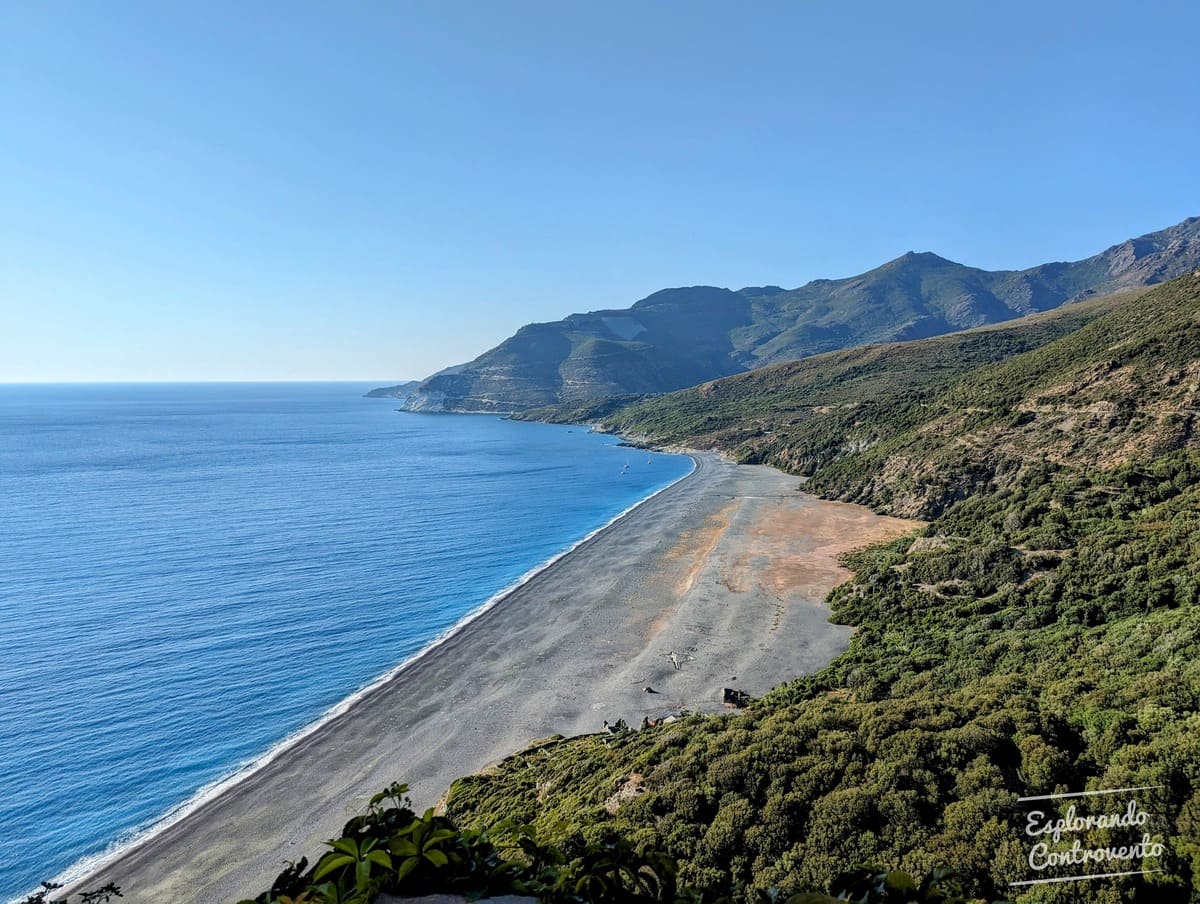
We resume our descent along the legendary D80 southbound to drive along the west coast, one of Corsica’s most beautiful stretches. The driving is fun, adrenaline-pumping. On this side the landscape is dominated by the mountains that plummet violently into the Mediterranean, drawing a series of vertiginous overhangs and dizzying curves. There are too many points where it would be nice to stop and admire nature’s masterpiece, and between one curve and another…here is Nonza. A small jewel set on a rocky peak plunging into the sea and overlooking a black pebble beach.
Last stretch, from Nonza to Bastia, also not without surprises. Near Santa-Maria we will say goodbye to the much-loved D80 to join the D81: vineyards and rocky mountains, hairpin bends between small towns and green hills, then the coast and in the distance Bastia.
Day 3: Bastia – Ile Rousse
Approx. 2 h / 70 km
STOPS: SAINT FLORENT – SALECCIA AND LOTU BEACHES / OSTRICONI BEACH – ILE ROUSSE
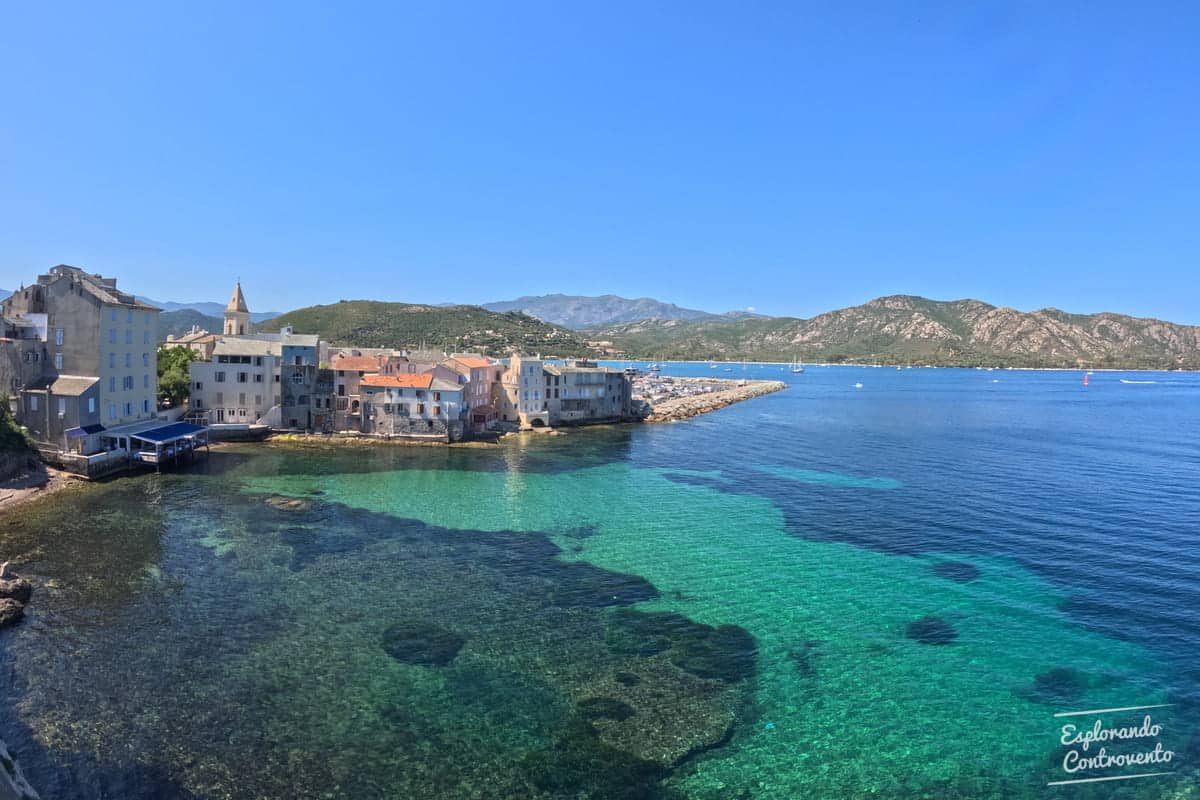
After a good rest, it is time to say goodbye to Bastia. First stop is Saint Florent, which is reached via the D81: about 25 km somewhat winding, but with wonderful views of the sea. The viewpoint of Col de Teghime is not to be missed.
Saint Florent is a lively, worldly town with its old citadel of exotic charm and the harbor nestled at the end of a beautiful bay framed by mountains…a stop in the old town is a must.
Here we have two options:
- take a cab boat from the marina to the beautiful beaches of Loto and Saleccia, located within the Desert des Agriates region;
- continue south on D81 and stop for a swim stop at Ostriconi beach, a beautiful white sand beach whose ponds and dunes give it the charm of the “unspoiled.”
Leaving the D81, we take the T30 highway for about 15 km, skirting the sea, until we arrive in the village of Ile Rousse.
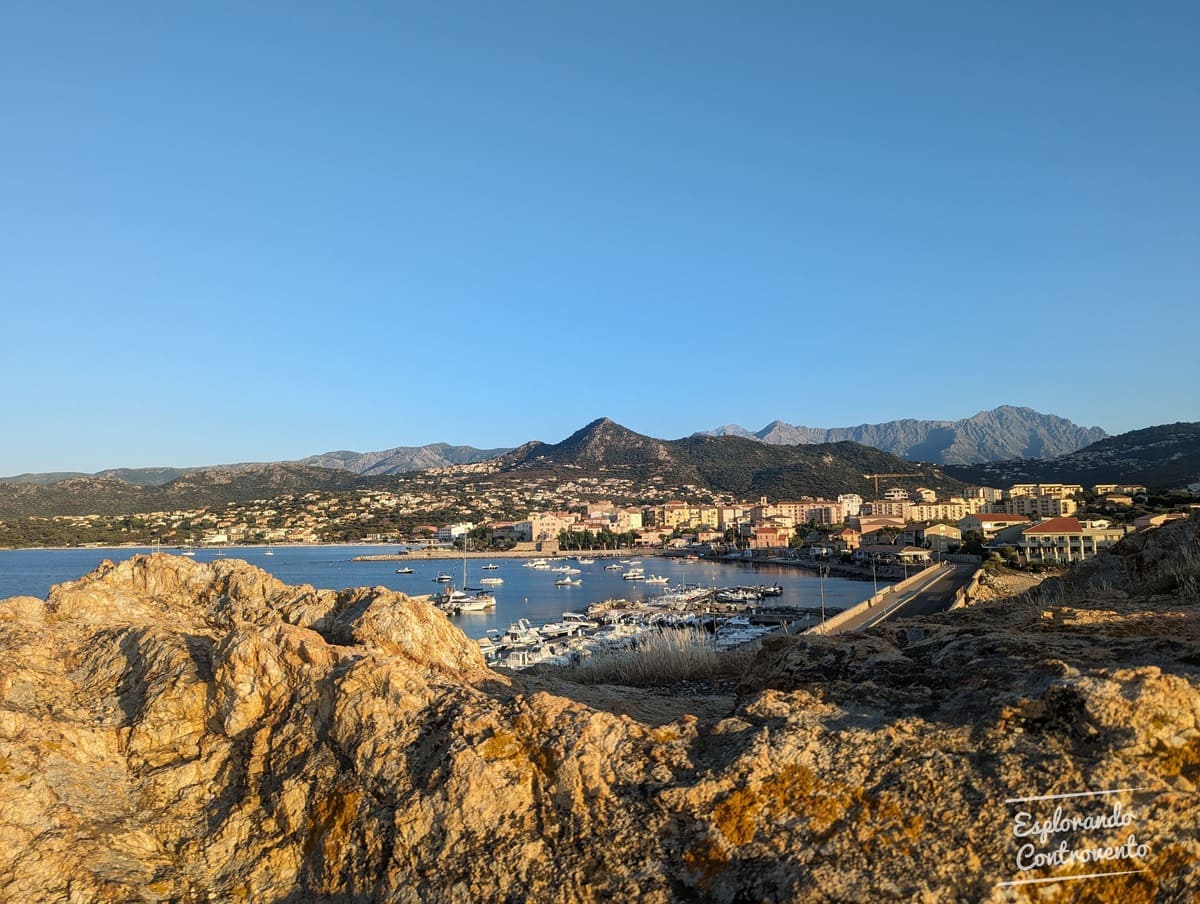
What can we say: a pleasant fishing village that owes its name to the color of the granite that makes up Ile de la Pietra, a small island connected to the town by a single causeway. Here we really recommend savoring the relaxed atmosphere on the Marinella waterfront. A swim in the delightful town beach, a sunset stroll at the Ile de la Pietra until you reach the lighthouse, and a seafood dinner at one of the pier restaurants with a panoramic terrace is just what you need.
WHERE TO SLEEP IN ILE ROUSSE
We stayed at HOTEL LE GRILLON (2 stars): great location a few meters from the center and town beach, small but clean room. Free parking.
Day 4: Ile Rousse -Porto (Ota)
Approx. 2h 40min / 110 km
STOPS: PIGNA – SANT’ANTONINO – CALVI – PORTO
After a good breakfast in the large Place Pascal Paoli in the heart of Ile Rousse, today’s itinerary is full of very interesting stops.
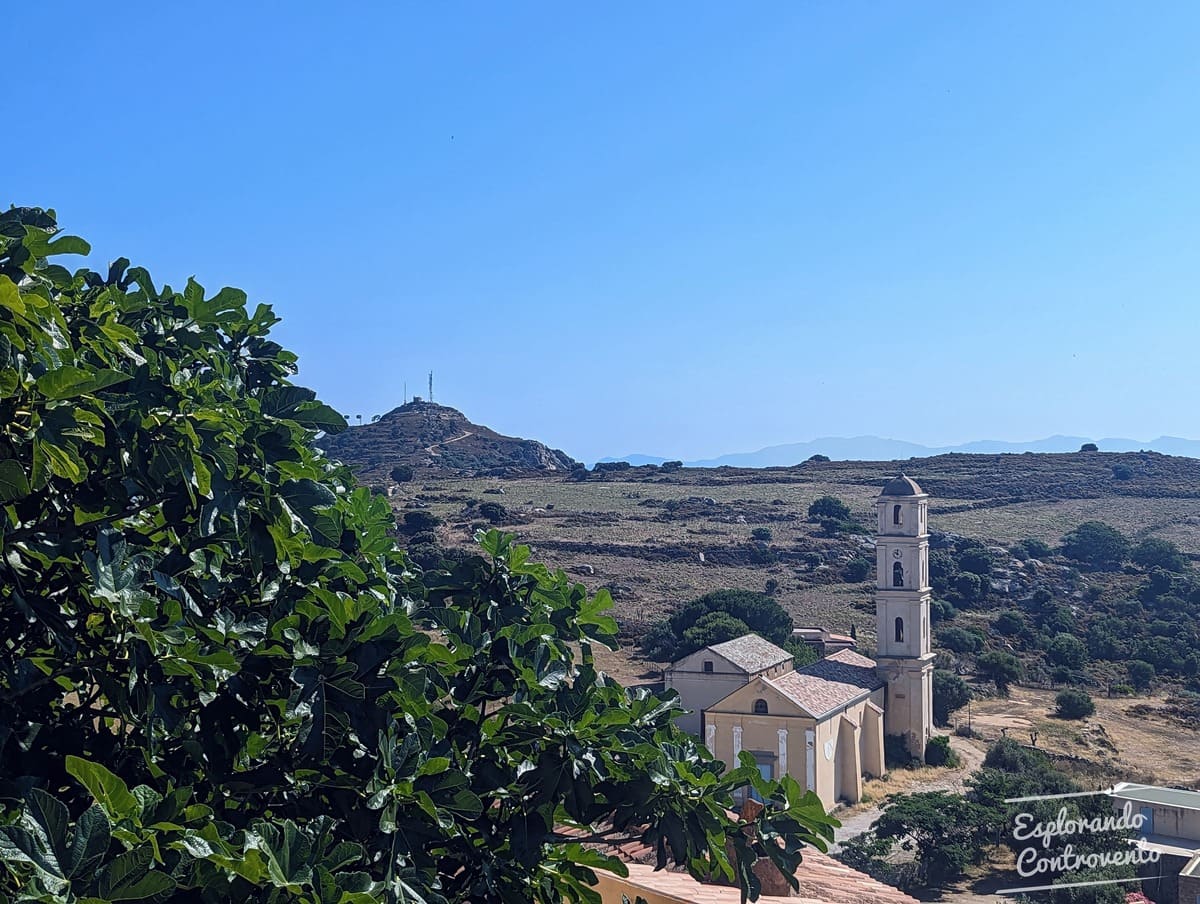
After a little more than 15 minutes from the start along the D151, the first stop is reached: Pigna. A small perched village, a delightful gem in the heart of Balagna and haunt of artists and artisans. It is really worth taking a stroll through the narrow streets of this town. Coming across houses with flowered balconies, craft stores or panoramic views, such as in Place dell’Olmu, from where you can admire a wonderful view of the coast.
Deciding to take a detour towards Sant’Antonino may be a good idea, as it is one of the oldest villages in Corsica and ranked as one of the most beautiful in France. Perched at an altitude of 500 meters, it offers a breathtaking view between the sea and the mountains thanks to its location.
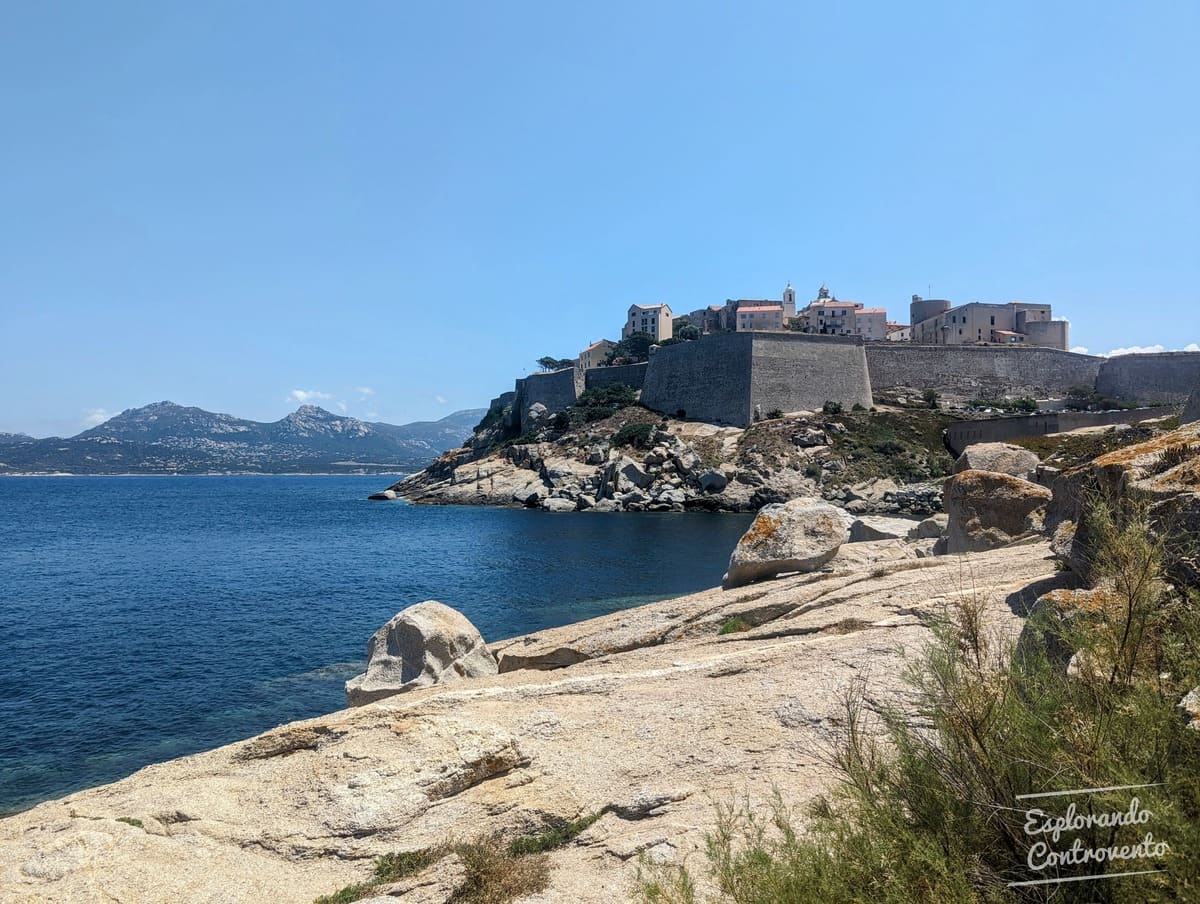
The itinerary continues on the T30 and in 20 minutes we are in Calvi, the capital of Balagne and a seaside resort perched over the sea, famous for its medieval citadel and lively marina. After a tour of the town, we definitely recommend a swim stop in the turquoise sea of the cliff just below the citadel.
The stretch of the D81 from Galeria to Porto is among the most beautiful and challenging roads on the island. Long and winding, at Col de Palmarella a very wide panorama opens up over the Gulf of Girolata, then at Col de la Croix a stop is mandatory to admire the Gulf of Porto from above. Continuing on you encounter villages, beautiful views and beaches until you arrive in Porto. A charming seaside resort with a welcoming atmosphere, Porto perfectly combines the harmony of land and sea with its extraordinary gulf carved out against the mountainside and its Genoese tower perched on red granite cliffs.
The gulf of Porto, which includes the gullies of Piana, Girolata and the Scandola Reserve, has been classified as a UNESCO World Heritage Site. Before the fourth day of our Corsica tour by Vespa draws to a close, we cannot miss the sunset from Porto beach.

WHERE TO SLEEP IN PORTO (OTA) CORSICA
We stayed at the Hotel Monte Rosso (2 stars), overlooking the gulf of Porto in a very central and picturesque location. Cozy location and very kind owner. highly recommended.
Day 5: Porto (Ota) – Ajaccio
Approx. 2h 40 min / 100 km
STOPS: BOAT EXCURSION TO THE SCANDOLA NATURE RESERVE – CALANQUES OF PIANA – CARGESE – AJACCIO – ILES SANGUINAIRES
In the morning of the fifth day of our Corsica tour by vespa is planned an eco-tour by boat to the Scandola Nature Reserve (a UNESCO World Heritage Site). Departing from Porto Marina, the tour takes about 3 hours and includes a stop at Girolata, an ancient fishing village accessible only by boat.
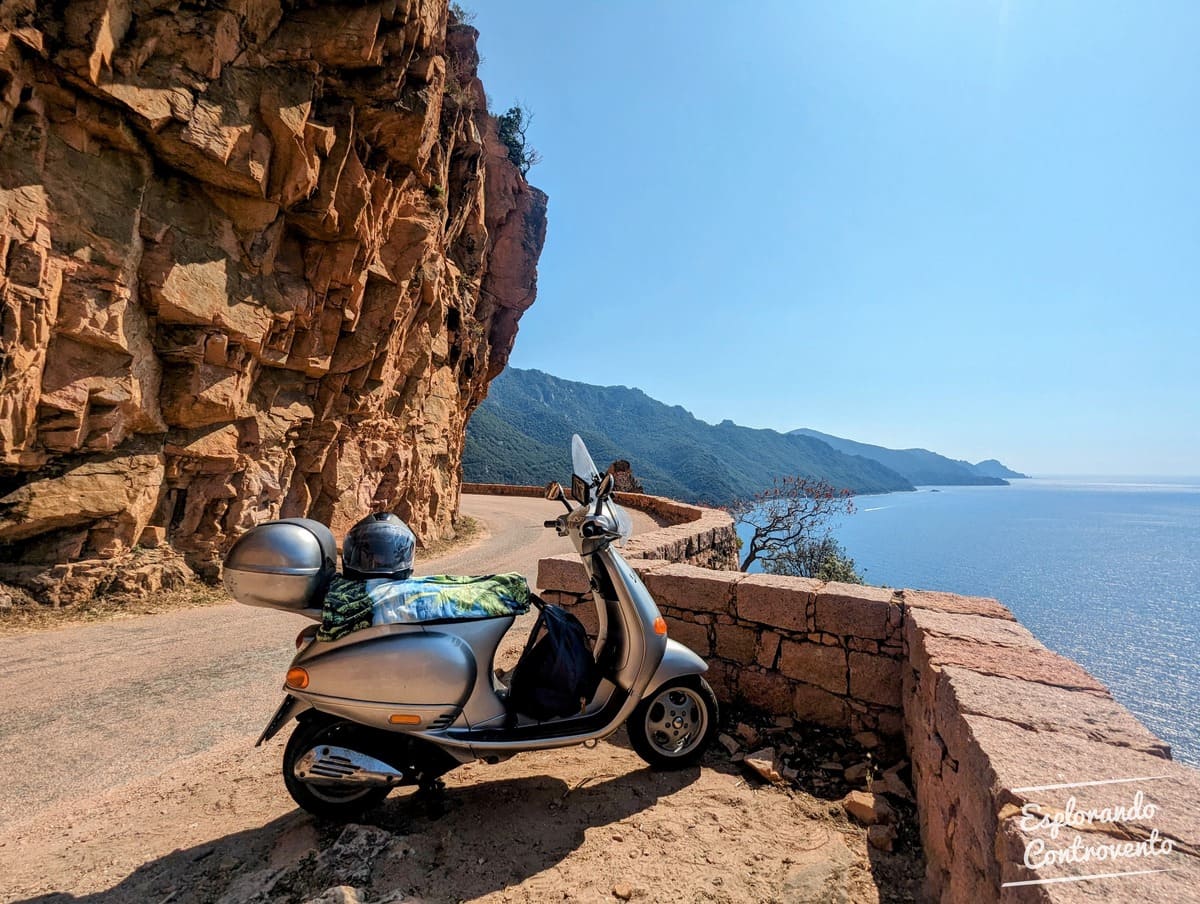
The boat tour provides magnificent views of the rugged coastline and, with luck, spotting dolphins and osprey. We booked in advance directly from the Get your guide site. The surprises and thrills of the day are just beginning. Our Corsica tour by Vespa along the coast continues with the absolute most beautiful route in Corsica, one of the most spectacular roads in Europe: the stretch of the D81 from Porto to Piana.
It is 12 kilometers of pure enjoyment, through a surreal landscape of brightly colored granite cliffs (red, pink, honey) that drop vertically from a height of at least 300 meters sheer into the sea.
The road is narrow and in high season crowded, but riding a Vespa there will be no problem in stopping in the small areas adjacent to the road to take framing sunset photos.
We continue for a few dozen kilometers arriving at the next stop of the day, Cargese, a quiet town of Genoese origin founded to host a Greek community, close to many beautiful beaches such as Chiuni beach, Pero beach, Topini beach and Menasina beach where you can stop for a swim and relax.
Leaving the sea behind, the D81 begins to climb toward the village Calcatoggio, offering many viewpoints to admire the Gulf of Sagone. After about 20 kilometers, here is Ajaccio, the capital of Corsica and a pleasant city, a bit noisy and crowded but with a unique charm thanks to its palm-fringed waterfront, picturesque alleys and its museums.
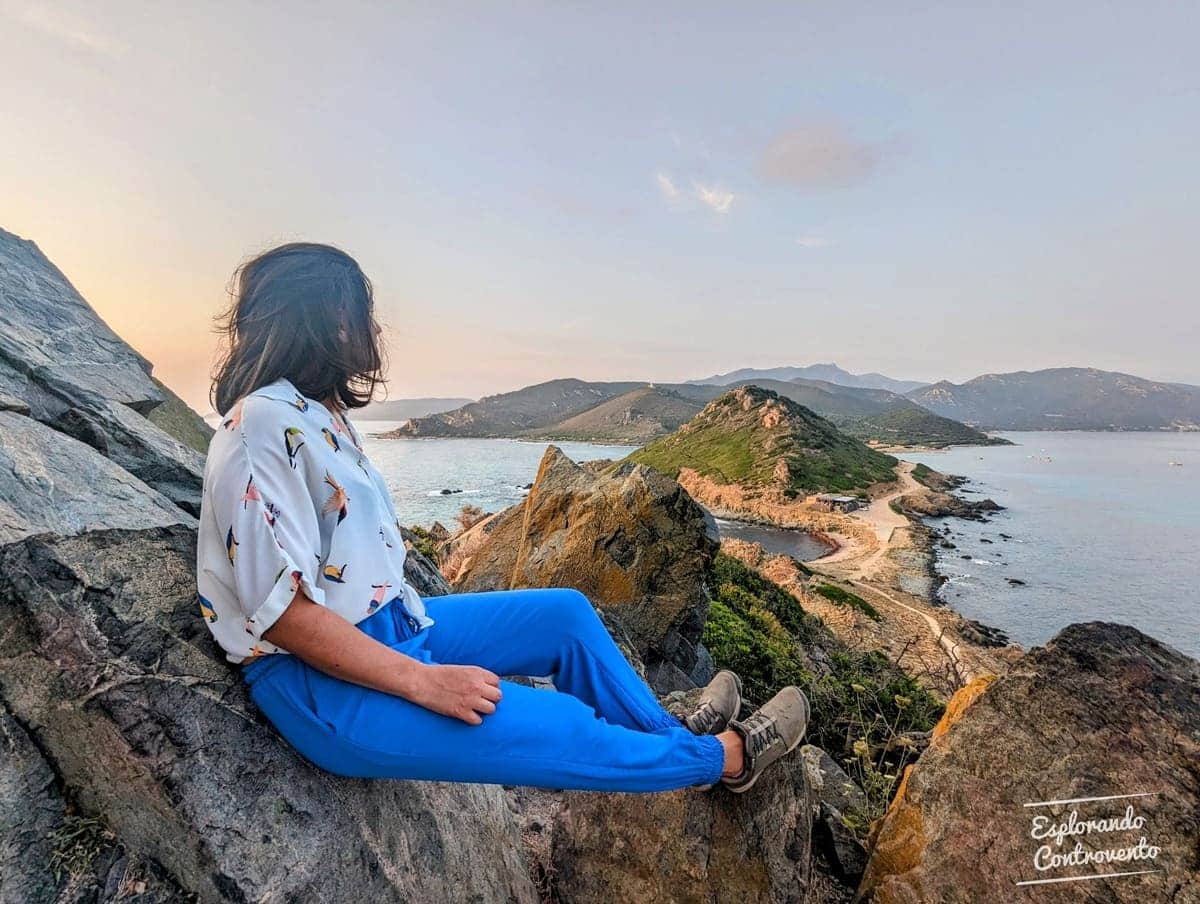
Our advice is to take a walk through the center of Ajaccio, buy a few cold beers (Pietra, obviously) and an hour before sunset take the D111, a beautiful waterfront road that runs on the west side, past beaches dotted with small restaurants and bars and ending at the Pointe de la Parata, just opposite the Sanguinaire Islands. A small red porphyry archipelago whose evocative name has several origins. The most poetic one refers to the vermilion red color, similar to blood, with which it is tinged at sunset.

Wild and unspoiled in nature, the Sanguinaires Islands offer a breathtaking panorama, in our opinion one of the most beautiful in Corsica. After leaving the Vespa at the large parking, there are two alternatives to reach Torre della Parata (Tour de la Parata): continue on foot on the D111 or take the path through the scrubland surrounding the promontory, with views of cliffs and foaming waves. A short but exciting walk that is hard to forget.
WHERE TO SLEEP IN AJACCIO, CORSICA
We spent the night at Hotel Napoleon (3 stars), clean and comfortable rooms, location in the center of town. Recommended.
Day 6: Ajaccio – Sartene
Approx. 2 h 40 min / 115 km
TAPPE: ISOLELLA – PORTO POLLO – FILITOSA – PROPRIANO – SARTENE
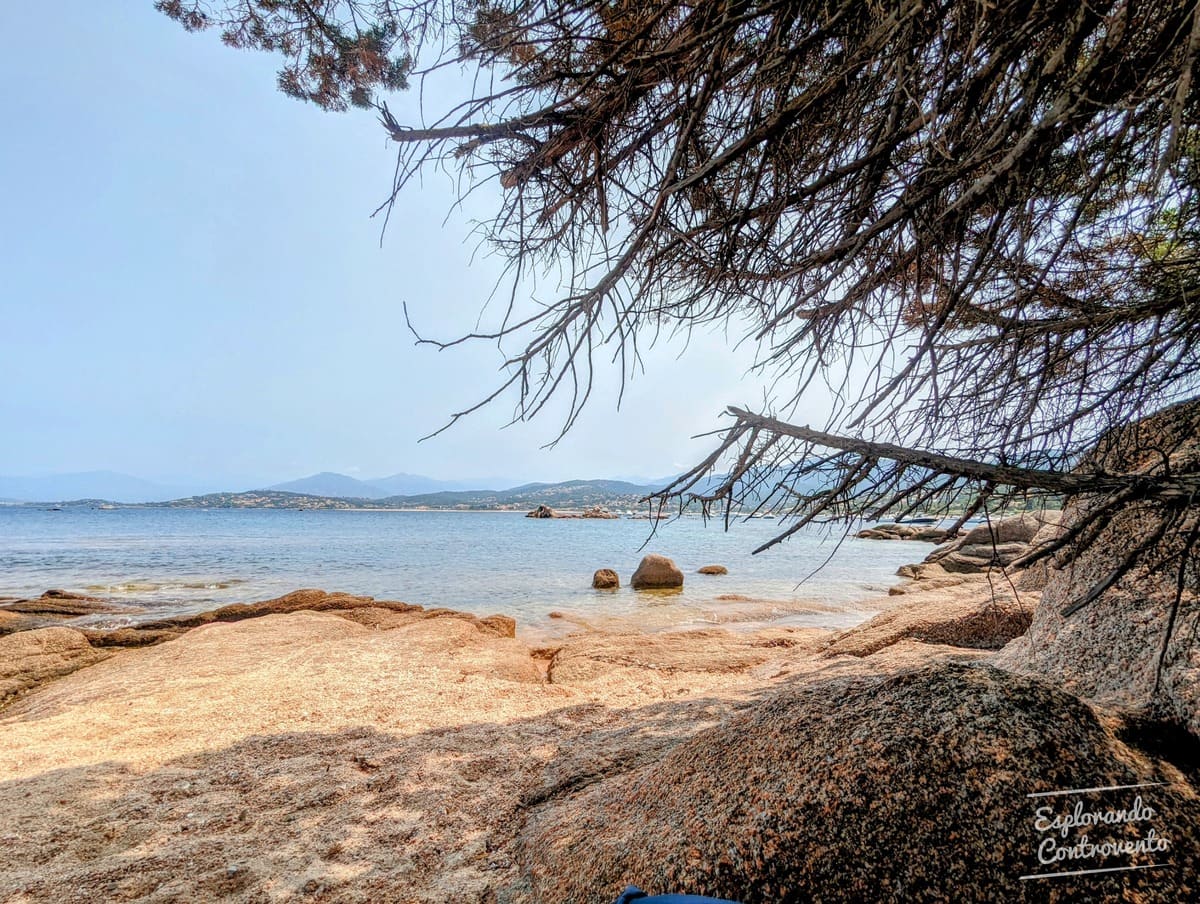
After a stroll on the harbor and a trip to Ajaccio’s central market, we kick off day six of our Corsica tour by vespa. Let’s start with the Gulf of Ajaccio, which includes some of the most beautiful beaches on the entire island. Agosta beach, Capo di Feno beach, Isolella beach or that of Mare e Sole….we recommend to choose according to the weather, so you can enjoy the cove that is most sheltered from the wind.
We continue by taking the D55 and then the D155 until we reach Porto Pollo Bay. From here it is worth taking a detour on the D57 to visit Filitosa, a prehistoric site with menhir statues depicting human faces or weapons (ticket cost 7 euros per person).
Alternatively, take the D157 to Propriano, a lively coastal village with a quaint marina.
Continuing on the T40 for about 20 minutes here you come to Sartene.
A mysterious and authentic little town perched in the mountains, you can feel the island’s truest atmosphere, so much so that it is called “the most Corsican of Corsican towns.” A half-hour walk is enough to visit this little gem, amid steep stairways, granite houses, narrow alleys and striking views of the coast. An aperitif at the Place de la Libération and a dinner of Corsican charcuterie and typical dishes is just what you need to end the evening on a high note.
WHERE TO SLEEP IN SARTENE CORSICA
We slept at Hotel Des Roches, a hotel and restaurant (3 stars), in the heart of the old town,with very nice views of the Gulf of Propriano,the Rizzanese valley,the peaks of Bavella and Mount Incudine. Spacious rooms with balcony. Recommended.
Day 7: Sartene – Bonifacio
Approx. 1 hour/ 53 km
STOPS: PORT OF BONIFACIO – LAVEZZI ISLAND
On this seventh day of the coast-to-coast itinerary, the alarm clock will have to ring very early taking care to pack a backpack equipped with: packed lunch, plenty of water, sunscreen, a hat and a garbage bag. Why? Because at 9:30 a.m. the first shuttle to the Lavezzi Islands departs from Bonifacio Marine, specifically to Lavezzu, the only island in the archipelago that can be visited. Completely uninhabited and without wastebaskets.
A little more than an hour of travel time must be budgeted, still along the T40. About halfway, near Roccapina, very brief stop on the beach to admire the famous rock formation of the “Lion of Roccapina.”
Departure for the port of Bonifacio, where to buy tickets for the boat directly at the company counter. The connection to the Lavezzi Islands archipelago takes about 30 minutes. It is possible to spend an entire day on Lavezzu Island and take any of the shuttles that make connections to Bonifacio throughout the day.
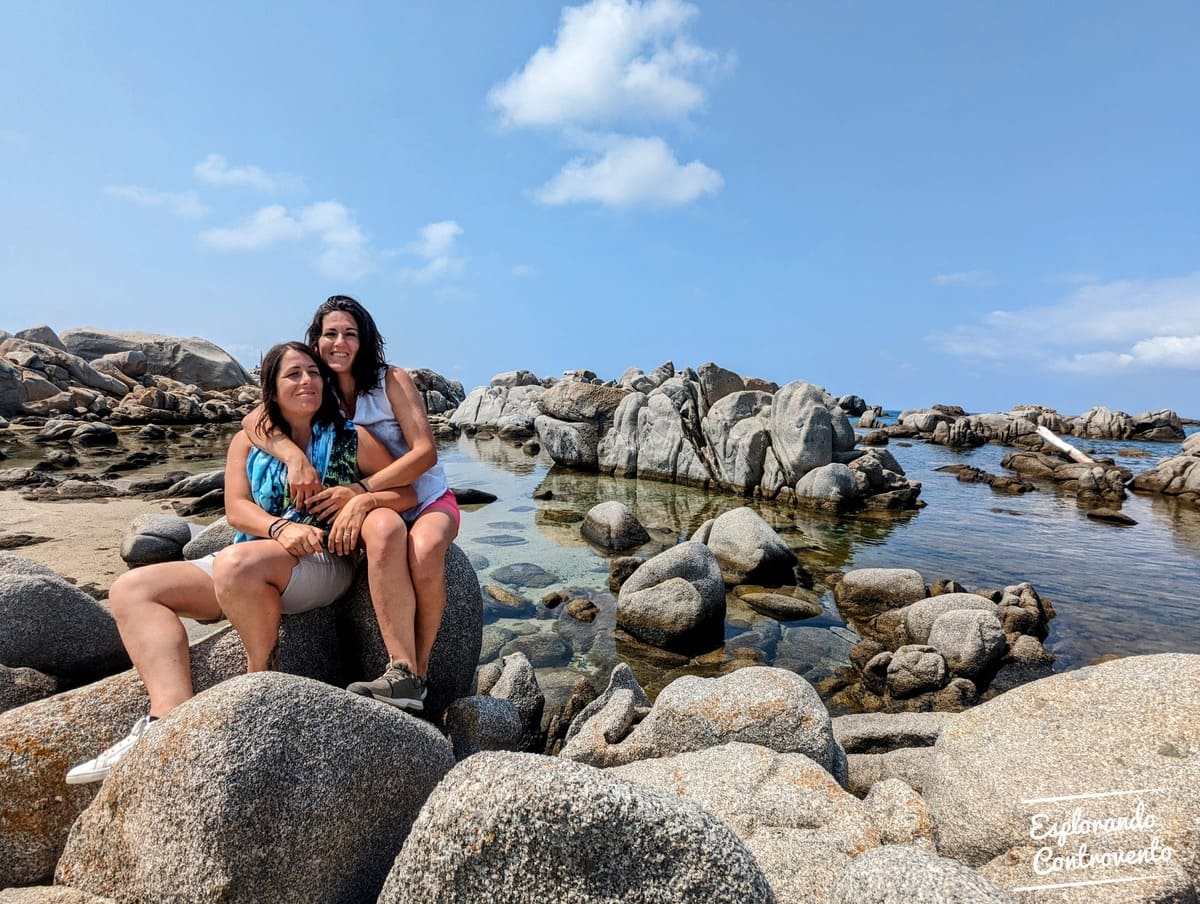
Take advantage of the cooler hours to walk around the island, following a path that accompanying us between paradisiacal beaches with Caribbean colors, shallow waters and crosses two cemeteries. Between photographic stops, itinerant bathing by the sea of Cala Lazarina, Cala Achiarina, Cala Giunco, Cala Greco, Cala di u Lioni and Cala du Chiesa (the only one where boats cannot approach), the day will fly by blissfully.
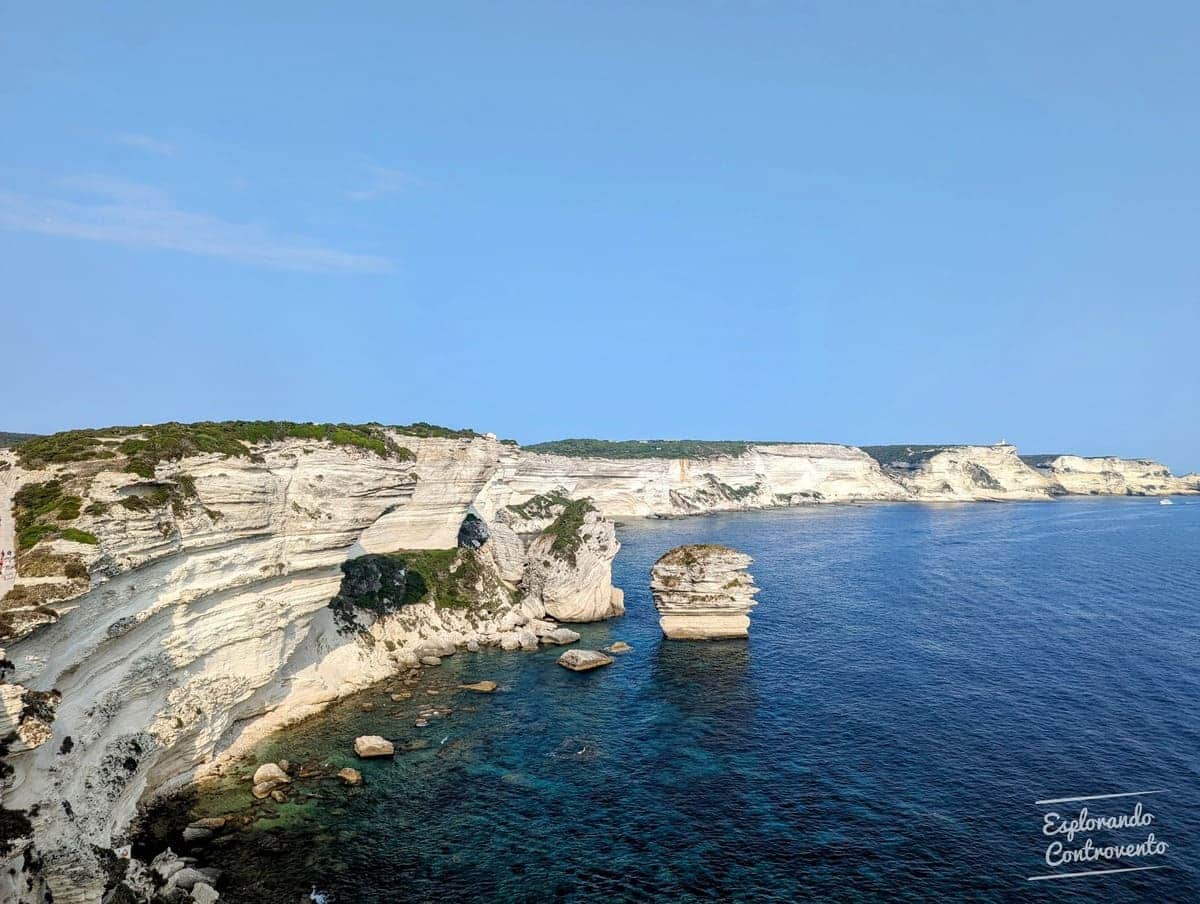
The return voyage will be an opportunity to closely appreciate the Isle of Cavallo, the Gulf of Sperone, Capo di Pertusato and Sdragonato Cave. Returning to the port you can also admire the white cliffs of Bonifacio and the spectacular view of the houses perched more than 70 meters high.
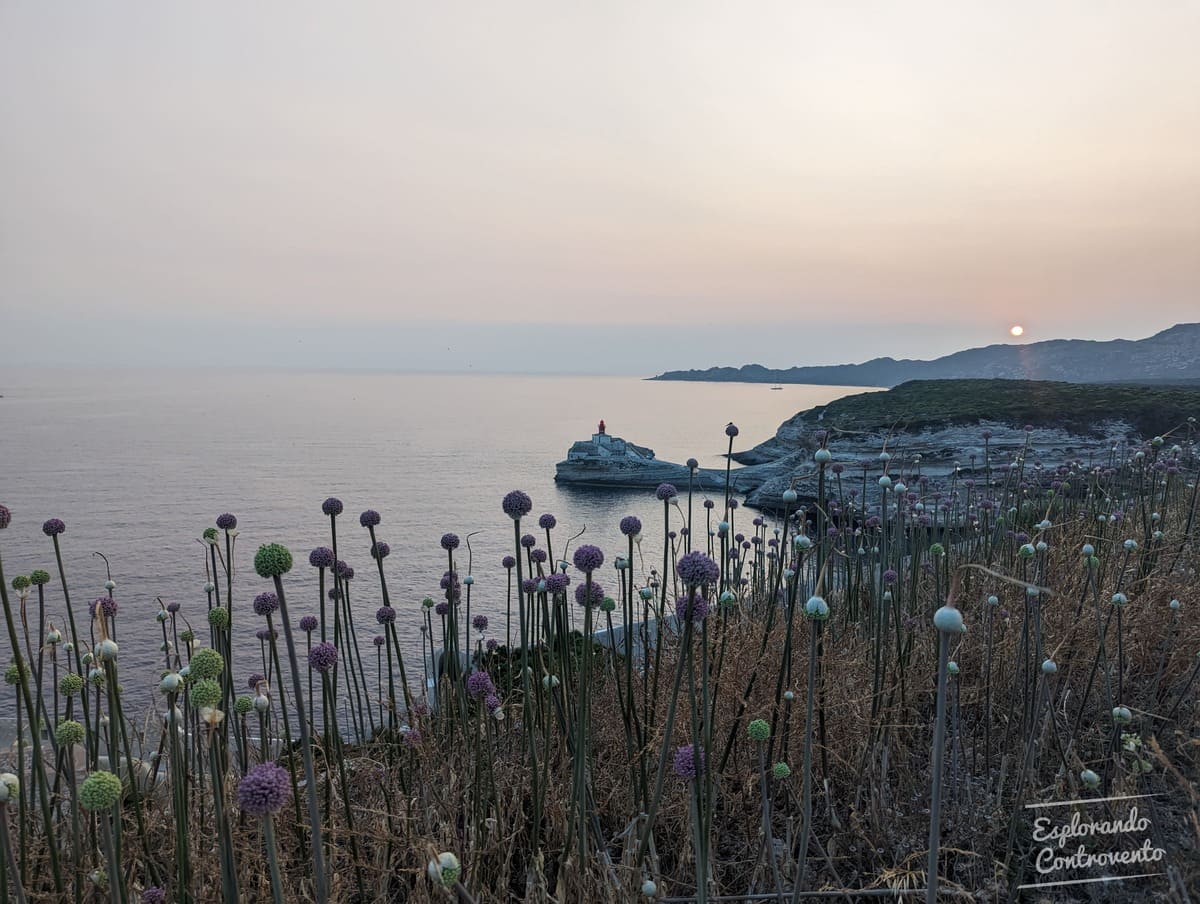
Here we are again in Bonifacio, a medieval jewel located on the southernmost tip of Corsica, nicknamed the “city of cliffs” because of its high, jagged white cliffs shaped by wind and splashing waves. Magically overlooking the sea, it clings to a small fjord that plunges into the spectacular sea of the Strait of Bonifacio.
Start with a walk through the steep, narrow alleys of the Old Town, so picturesque with its tall, lofty stone houses and breathtaking views. Like the one from the King’s Tower, from where you can access the King of Aragon’s staircase. A dizzying 189-step stairs carved by hand into the bare rock that leads down to the sea. Bonifacio has so much to offer that we recommend exploring it from multiple perspectives, such as along the delightful scenic coastal paths between the city walls to admire the impressive limestone cliffs. And to get the full picture, you cannot miss a trip to the marina, enjoying a good dinner or ice cream in one of the many restaurants and bars with outdoor tables.

Just turn your head up to get another magnificent perspective on the upper city.
WHERE TO SLEEP IN BONIFACIO, CORSICA
We stayed at the Hotel Santateresa, (3 stars), located at the end of the fjord with exceptional panoramic views of the sea, cliffs and Sardinia, with a large free parking available. recommended.
Day 8: Bonifacio – Solenzara
Approx. 1h 40 min / 80 km
STOPS: RONDINARA BEACH- PORTO VECCHIO – TARCO BEACH – SOLENZARA
After reaching the southernmost tip of Corsica, we are ready to go up north through the east coast. This is where Corsica’s most beautiful beaches are located, making it one of the most popular areas for tourists.
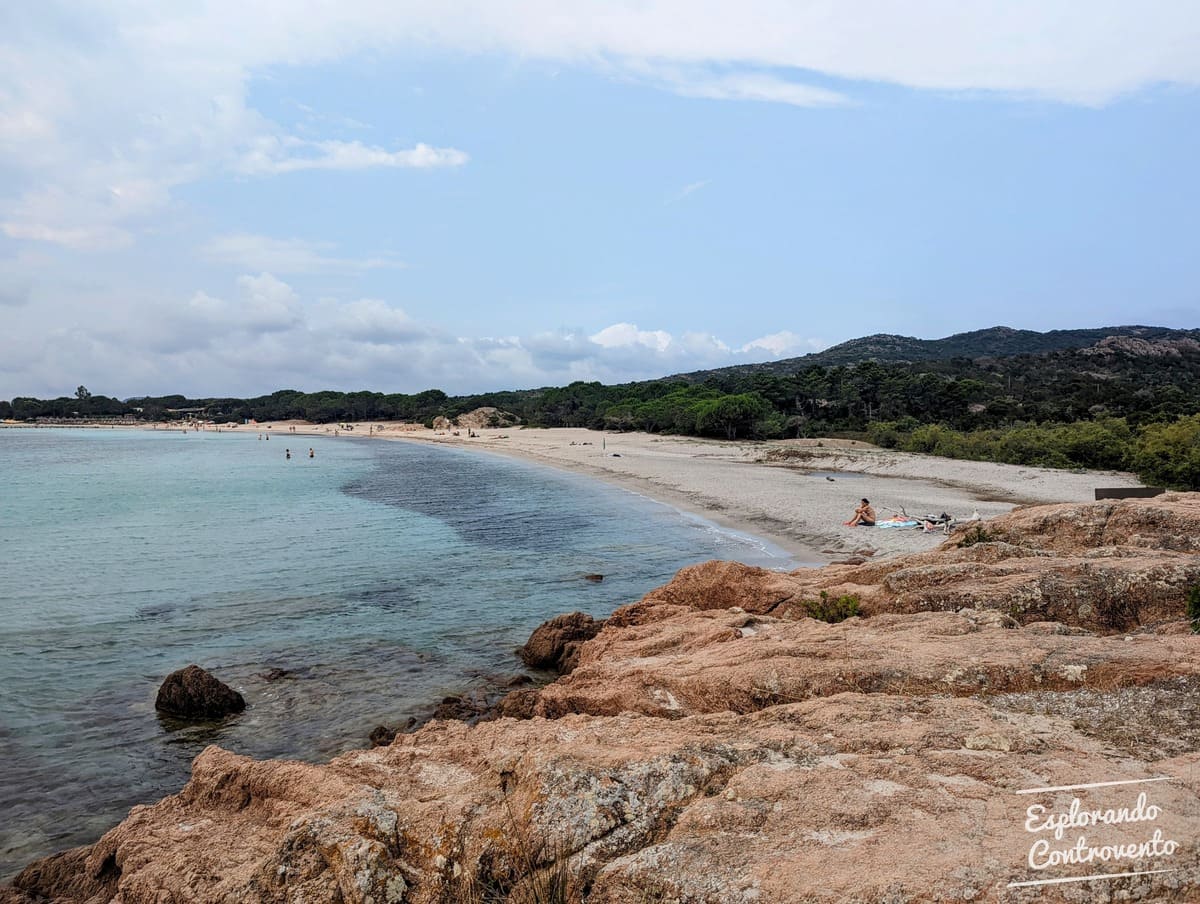
Only 28 km separate Bonifacio from Porto Vecchio, but it is best to proceed at a leisurely pace so as not to miss the many detours to the right that lead to the beautiful beaches of Rondinara, Santa Giulia and Palombaggia where, of course, you can make a sea bathing stop.
Here we are in Porto Vecchio, the ancient “city of salt” and the island’s third largest agglomeration after Ajaccio and Bastia, first in terms of tourism. After A stroll through the Genoese citadel, a visit to the church of Saint-Jean-Baptiste, a moment of relaxation in one of the many cafés in Place de la République is a must, before setting off again toward Solenzara.
Continuing on T10 and passing the striking Genoese tower of Fautea, we make a stop at one of several beaches along the way. Tarcu, Favone, Fautea…one is spoiled for choice. Regenerated by the cool water in a few kilometers we arrive at Solenzara, a small village with a pretty little port on the Côte de Nacre, (the mother-of-pearl coast). This name because mother-of-pearl is a very common material in these areas, which is extracted from a particular type of shell found on its shoreline. Walk and dinner at the harbor. Early to bed that the next day is the day of the ascent to Bastia.
WHERE TO SLEEP IN SOLENZARA, CORSICA
We stayed at the Hotel Maquis et Mer, (3 stars), just 400 meters from the marina and Solenzara beach. Modern and well furnished, clean and cozy rooms, very friendly staff. Perfect.
Day 9: Solenzara – Bastia
Approx. 2 h/ 120 km
STOPS: CANELLA BEACH – ETANG D’URBINO – BASTIA
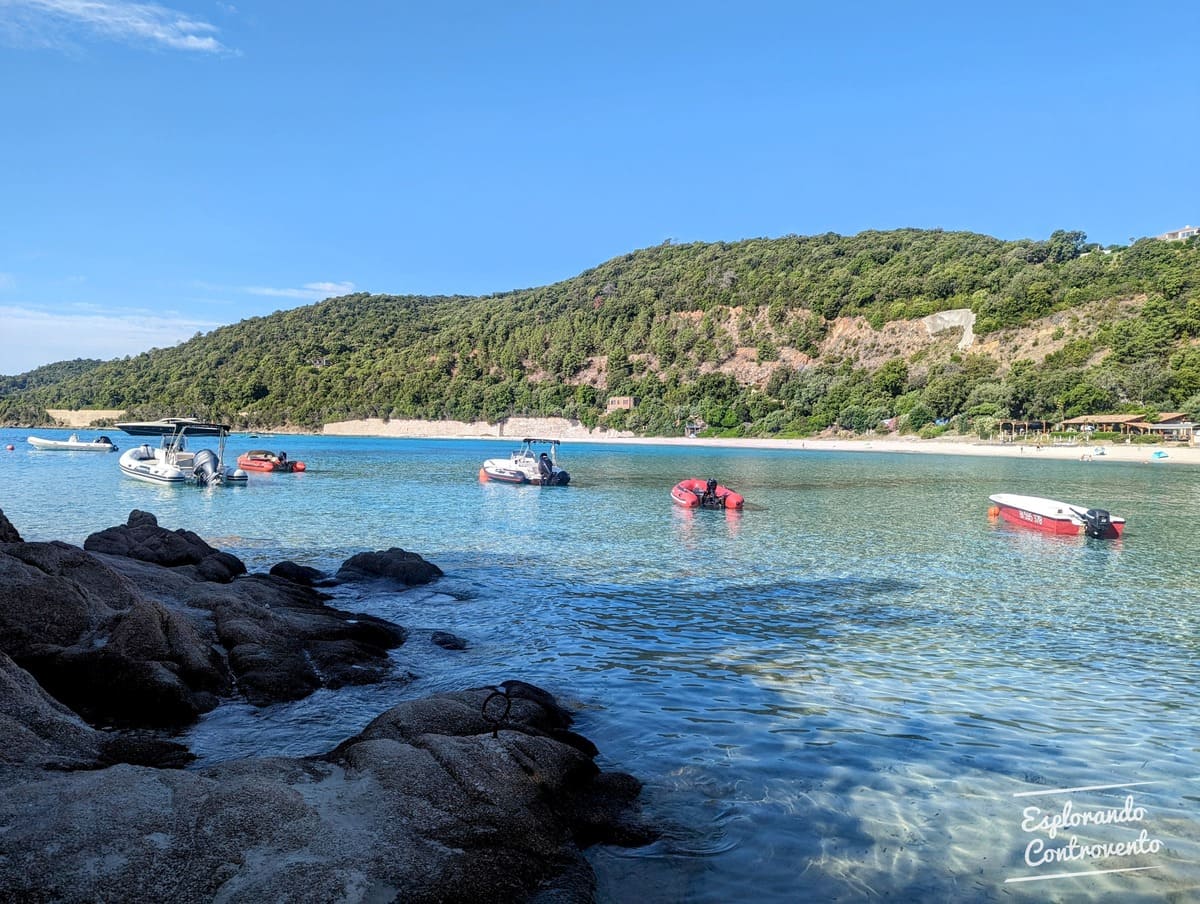
On this last day of our trip, before resuming our journey northward, let’s enjoy a pleasant morning by the sea at the beautiful Canella beach. Lovely bay, surrounded by Mediterranean vegetation, crystal clear water and white sand make it the perfect place to swim, sunbathe and relax.
TRAVEL TIPS
We recommend arriving early to grab the best spot for those who want some privacy, which is the northern corner of the bay, bordered by rocks and a small cave that make it more intimate and pleasant. If, on the other hand, you prefer the convenience of the establishment, the beach is equipped with services and bars.
Let’s get back on the road for the last leg of our exciting Corsica tour by Vespa, accompanied also by a hint of melancholy. We have about 110 km ahead of us on the T10, a fast-flowing road and among the most dangerous since for its entire length it is dual carriageway and often very busy. Beware, always stay to the right, reckless overtaking could be very risky.
At 7 km from Ghisonaccia before Aleria on the right a road branches off that crosses a small inland sea, the Urbino Pond, a 3×3-kilometer stretch of water connected to the sea by a narrow passage. The landscape is beautiful, half sea and half land with hidden pine forests all to explore, and there is also an agricultural prison nearby. An ideal place to relax and have a good lunch of oysters and mussels raised right from the floating trattoria farm on site.
We continue directly to Bastia, ready to savor the last evening run with a mix of tiredness and nostalgia. To conclude the visit begun on the first day of our itinerary, we walk to the Citadel, ascending the steps from the Vieux Port docks passing by the Romieu garden, an ideal place for a seafront break. Alternatively, there is an elevator connecting Terra Vecchia (lower town) to Terra Nova(upper citadel). Strolling through the pedestrian alleys and breathing in the authentic village atmosphere is enchanting .
To enjoy a last dinner on the island there are countless quality alternatives, from Place du Marché choosing from pizzerias, brasseries and ethnic cuisine, to Porto Vecchio in one of the many small restaurants on the pier.
Day 10: Departure from Bastia – Livorno
Here we are at the end of this unforgettable experience. If the ferry to Livorno is scheduled early in the morning with arrival around 1 p.m., for those who are already nostalgic for the scents and flavors of the sea, we recommend having a lunch on the fly at the “Chiosco del Porto,” 5 minutes from the disembarkation point before setting out again for home.
FINAL CONSIDERATIONS
Best time to go to Corsica
The times we recommend for planning a Corsica Tour by vespa or motorcycle are definitely June or September. We went the last week of June and found beautiful warm days, not many tourists, fairly free beaches and little traffic on the roads. If you book hotels a couple of months in advance you can find very attractive prices.
What the roads of Corsica are like
Overall, Corsica’s main roads are well maintained with very good asphalt that provides a very pleasant and comfortable ride.
TRAVEL TIPS
ATTENTION: Some side roads may be narrower and have uneven surfaces. In the most dangerous sections, guardrails are not contemplated, and low stone walls are often in their place. For those who suffer from vertigo, consider carefully whether to drive along the coast counterclockwise, dizzying views in the true sense of the word. There are several man-made bumps especially near villages, which we have dubbed “killer bumps,” at some it almost pays to stop so as not to risk damage to the shock absorbers.
Conclusions
We loved Corsica. It was the first long and challenging route we did with our Vespa. In our opinion absolutely feasible for motorcycles of at least 150 cm3 displacement, ideal for those who like to drive even for several hours on winding roads and for those who do not lack the adventurous spirit!
Taking the full coast-to-coast tour of Corsica on two wheels is the best choice, because the convenience of being able to easily and safely stop anywhere to take photos or take a dip in the sea , is priceless. It is a way of exploring that engages all the senses, the scents of the maquis, the sea, the forest accompanied us throughout the tour…as did the wind, the heat and the scorching sun.
Corsica is beautiful, wild, authentic…and also a tad expensive! But honestly, with the right precautions, one can organize a 10-day tour of Corsica by Vespa or motorcycle without spending too much.
From what has been our personal experience we feel like debunking the myth about the courses being unfriendly. We may have been lucky but we all found super nice and helpful people ! So there is really no good reason not to recommend organizing a do-it-yourself trip to Corsica by motorcycle, Vespa or scooter right away, perhaps taking some useful hints from our itinerary, downloading the map here as well !
We just have to wish you a good journey, always free and Upwind!
If you have any questions, tips, thoughts or simply experiences you’d like to share, LEAVE A COMMENT BELOW, we’ll be happy to respond!
SHARE if you liked the article.